
Dog Breeds: Types of Dogs, Their Traits, Size, and Personality

There are several dog breeds, from the little companions to the large working breeds that need serious exercise and structure. Every size, coat type, energy level, and personality exists somewhere in the dog world.
Due to experience, one of the biggest and most common mistakes we see pet parents make is choosing a dog based on how it looks, and this can come with great consequences.
Understanding dog breeds, their traits, size, personality, and care requirements helps you find a companion whose daily needs actually match your life.
What Is a Dog Breed?
A dog breed is a group of dogs with similar inherited physical and behavioral characteristics. Different breeds were developed over centuries for purposes such as hunting, herding, guarding, companionship, pulling sleds, and working alongside people in demanding conditions.
That history explains a lot. Why some dogs can't help chasing things. Why some breeds bark at everything. Why certain dogs seem to need a "job" to stay calm.
Breed explains tendencies. It doesn't guarantee any individual dog's behavior. Every dog is its own animal.
How to Actually Choose the Right Dog
Before you fall for a photo or a video, think through what daily life with that dog will realistically look like:
- Size: Does your home and lifestyle suit a big dog?
- Energy level: Can you genuinely meet this dog's exercise needs every day?
- Temperament: Do you want an independent dog or one that's constantly engaged with you?
- Exercise requirements: 20-minute walks or two hours of activity?
- Grooming needs: Daily brushing or minimal maintenance?
- Training requirements: How much structure and consistency will this dog need?
- Living environment: Apartment or house? Urban or rural?
- Experience with dogs: Is this your first dog, or have you managed demanding breeds before?
- Compatibility: How will this dog do with children, other pets, or strangers?
A high-energy breed in a small apartment with a busy owner is a recipe for a difficult dog. Not because the dog is bad, but because the match is wrong.
Popular Dog Breeds
Labrador Retriever
Size: Large | Energy: High | Grooming: Low to moderate
Labradors are among the most widely kept dogs in the world, and for good reason. They're friendly, intelligent, trainable, and genuinely eager to be involved in whatever you're doing.
They need real exercise and mental stimulation. A lab-sedentary gets restless. An active lab with consistent training is one of the best family dogs you can have.
Golden Retriever

Image from Petpedia
Size: Large | Energy: High | Grooming: Moderate
Goldens are warm, affectionate, and reliably good-natured. They're highly trainable and genuinely seem to enjoy interacting with people.
Their longer coat requires regular brushing, and they shed noticeably. Active dogs that need real daily exercise, not just a short walk.
German Shepherd
Image from Facebook
Size: Large | Energy: High | Grooming: Moderate
German Shepherds are intelligent, capable, and deeply loyal to their people. They've been used for police work, military service, herding, and search and rescue, which gives you a sense of what they need in terms of stimulation and structure.
Without consistent training, exercise, and mental engagement, German Shepherds can become anxious or difficult. With it, they're exceptional companions.
French Bulldog
Image from Animal Life Club
Size: Small | Energy: Moderate | Grooming: Low
French Bulldogs are compact, playful, and affectionate. They've become enormously popular, partly because they do reasonably well in smaller spaces and don't demand extreme exercise.
The major concern with French Bulldogs is health. Their flat-faced structure (brachycephalic anatomy) causes real breathing difficulties in many individuals, makes them especially vulnerable to heat, and is associated with a range of ongoing health problems. This is worth researching seriously before committing.
Poodle

Image from Pixabay
Size: Small to large (three recognized sizes) | Energy: High | Grooming: High
Poodles are among the most intelligent and trainable dog breeds. They come in toy, miniature, and standard sizes, with the larger standards being athletic, energetic dogs.
Their curly coats need regular professional grooming. The reputation as a "fancy" breed often obscures the fact that Poodles are active, capable, and need real stimulation.
Rottweiler
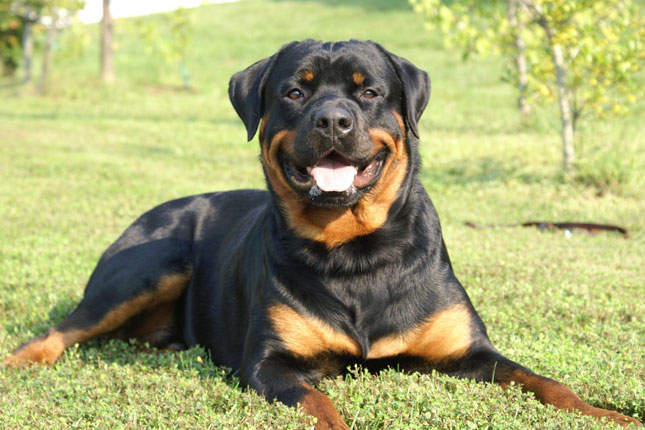
Image from Blogspot
Size: Large | Energy: Moderate to high | Grooming: Low
Rottweilers are confident, strong, and loyal. They were developed for demanding working roles and retain that capability.
They need a pet parent who understands how to provide consistent training and appropriate structure. A well-raised, well-trained Rottweiler is a devoted and stable companion. The same breed without that foundation can be a serious management challenge.
Siberian Husky
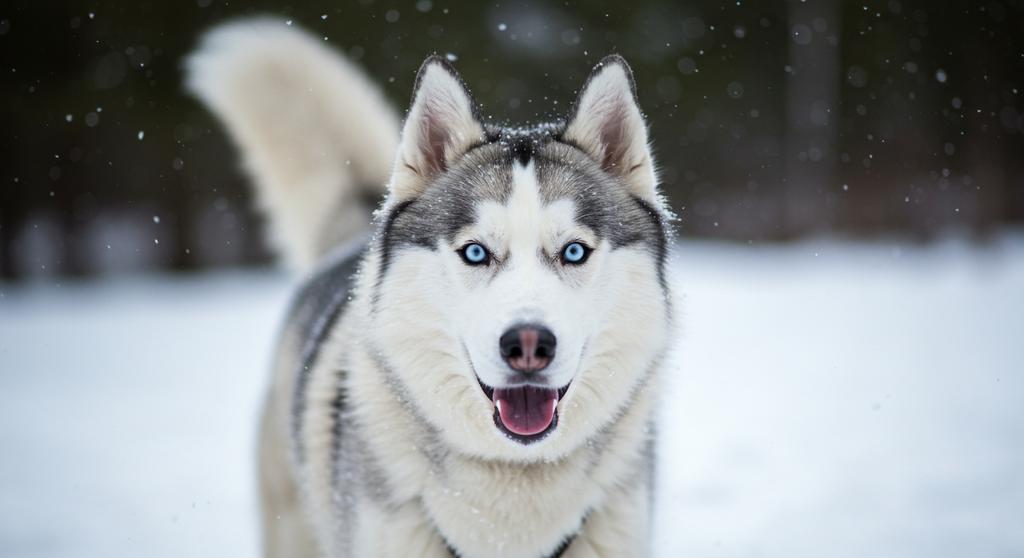 Image from My Woof
Size: Medium to large | Energy: High | Grooming: Moderate to high
Huskies are striking, energetic, and built for endurance. They were bred to run long distances in cold conditions, an origin that explains their seemingly inexhaustible energy and their enthusiasm for escaping from gardens.
They shed heavily, particularly during seasonal coat changes. They're not well-suited to hot climates. And they need substantial physical activity, not occasional activity.
Beagle
:strip_icc()/beagle-RolfKopfle-Photolibrary-Getty-135631212-56a26b1d3df78cf772756667.jpg)
Image from TheSprucePets
Size: Small to medium | Energy: High | Grooming: Low
Beagles are curious, friendly, and driven by their nose. They were bred as scent hounds, and when they find an interesting smell, everything else becomes secondary.
This makes them wonderful companions but occasionally frustrating on walks without consistent recall training. Regular exercise and mental engagement keep them happy.
Dachshund
:strip_icc()/GettyImages-839279536-313d30c290584bc0a207bc6243263bd4.jpg) Image from TheSprucePets
Image from TheSprucePets
Size: Small | Energy: Moderate to high | Grooming: Low to moderate
Dachshunds are confident, curious dogs with a lot of personality all in a small, unusual body. They were bred to hunt badgers in burrows, which tells you something about their tenacity.
Their long spine makes them susceptible to back problems (intervertebral disc disease). Avoiding activities that strain the back, jumping from heights, and rough play are genuinely important for their long-term health.
Chihuahua

Image from Petdaily
Size: Very small | Energy: Moderate to high | Grooming: Low to moderate
Chihuahuas are alert, bold, and often deeply attached to one person. Their size makes them easy to accommodate in smaller spaces, but they still need regular exercise and training.
Their small frames require appropriately sized, lightweight collars and harnesses. Don't skip training because they're small; a poorly socialized Chihuahua can be difficult regardless of size.
Shih Tzu
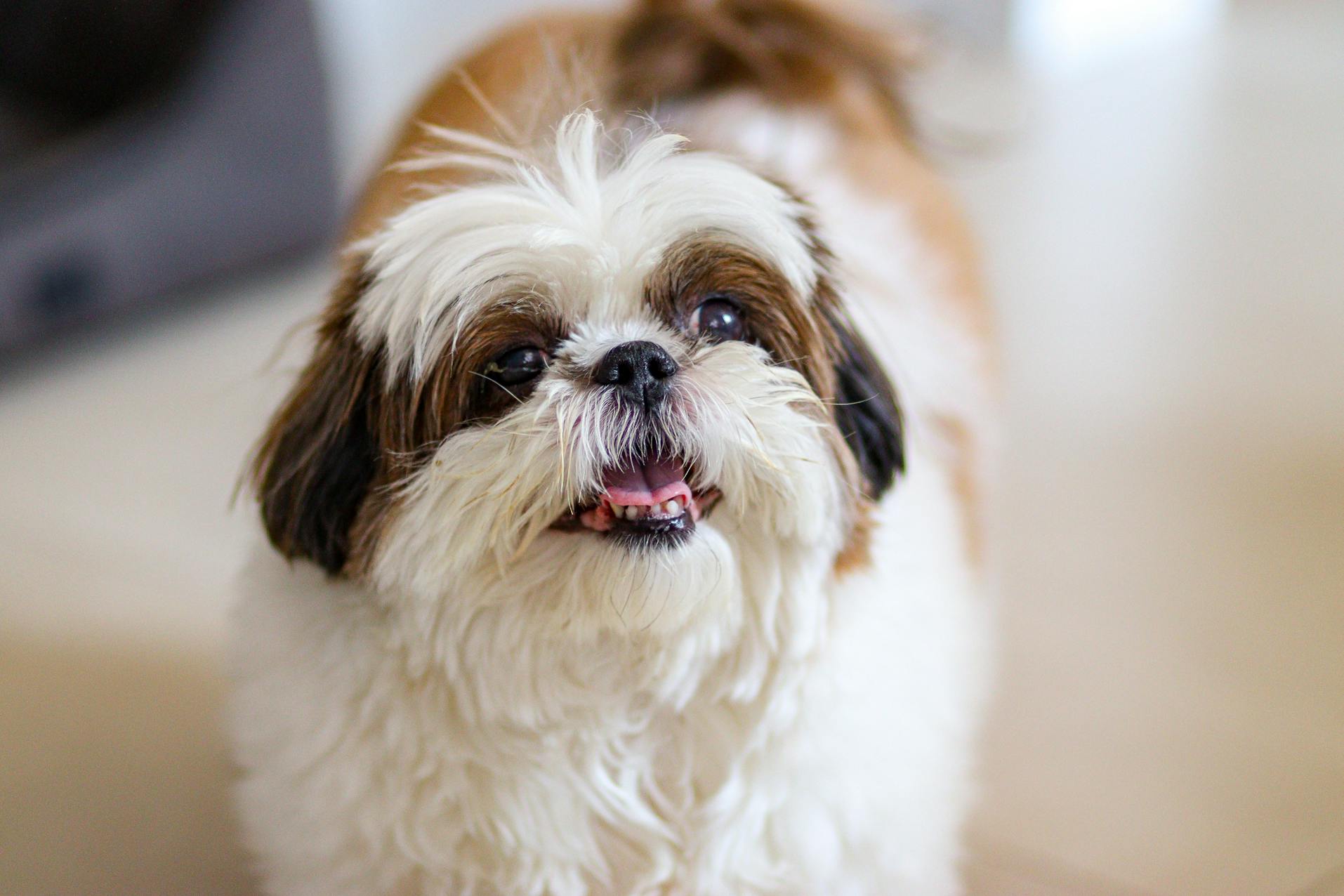 Image from Nahf
Size: Small | Energy: Low to moderate | Grooming: High
Shih Tzus are companionable, affectionate dogs that suit people who want a social, low-energy companion rather than a working or sporting dog.
Their coats, if kept long, require regular grooming. Many owners choose to keep them in a shorter "puppy cut" because that’s easier to maintain.
Doberman
Image from Petpaw
Size: Large | Energy: High | Grooming: Low
Dobermans are athletic, sharp, and genuinely intelligent. They're responsive to training and tend to be deeply loyal to their families.
Their low-maintenance coat is easy. Their exercise and mental stimulation needs are not. Dobermans that don't get adequate activity and engagement can become anxious or develop behavioral problems.
Great Dane
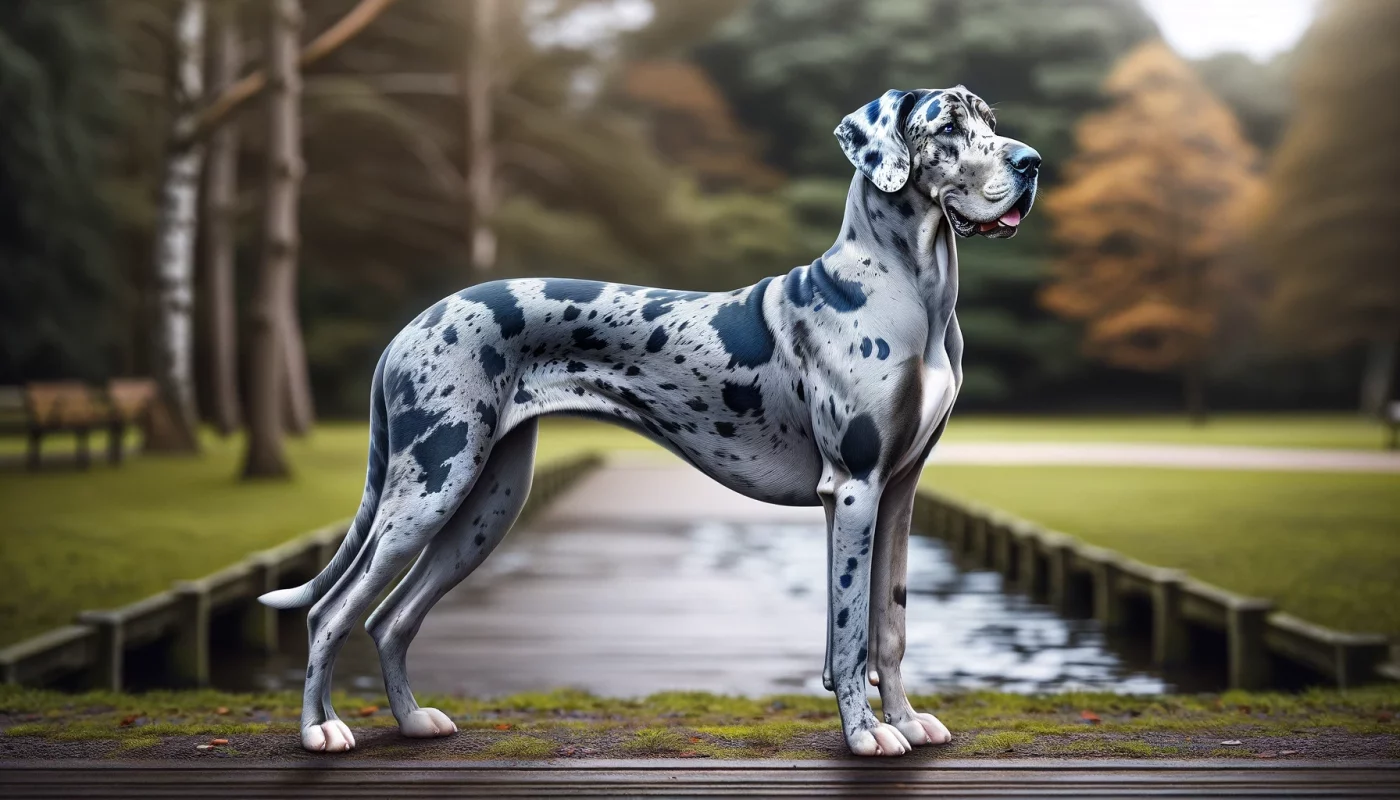 Image from iHeartDogs
Size: Very large | Energy: Moderate | Grooming: Low
Great Danes are one of the tallest dog breeds, and yet many people describe them as gentle and surprisingly manageable in temperament.
Their size demands serious practical consideration: food costs, bed size, transportation, veterinary care, and accessories all scale with them. They also have a shorter average lifespan than smaller breeds, a reality worth being aware of before committing.
For more dog breeds, check Everything You Need To Know About The Strongest Dog Breeds in the World and 15 Most Beautiful Dog Breeds In the World
Understanding Dog Breed Groups
1. Sporting Dogs: Developed to assist with hunting and retrieving. Generally energetic and active. Examples: Labrador Retriever, Golden Retriever, Cocker Spaniel
2. Working Dogs: Developed for guarding, pulling, and demanding physical tasks. Need structure and training. Examples: Rottweiler, Boxer, Great Dane
3. Herding Dogs: Developed to manage livestock. Highly intelligent and often high-energy. Examples: German Shepherd, Border Collie
4. Hound Dogs: Developed for hunting by scent or sight. Strong instincts that influence behavior on walks. Examples: Beagle, Dachshund
5. Toy Dogs: Developed primarily as companions. Small, but not necessarily low-maintenance on exercise or training. Examples: Chihuahua, Shih Tzu, Yorkshire Terrier
Breeds by Size
1. Small Dogs: Chihuahua, Shih Tzu, Yorkshire Terrier, and Dachshund. Easier to accommodate in smaller spaces, but still need exercise, training, and proper socialization. Small size, appropriate accessories required.
2. Medium Dogs: Beagle, Cocker Spaniel, Border Collie. Varied needs. A medium-sized herding or working breed may require far more daily exercise than the size suggests.
3. Large Dogs: German Shepherd, Golden Retriever, Labrador, Rottweiler, Cane Corso. Require serious planning around space, food costs, exercise, training, transportation, and vet care. Strength and size make training and handling particularly important.
Which Breeds Are Good for Families?
Labradors, Golden Retrievers, Beagles, and Poodles are often mentioned for family environments, generally because of their adaptable, social temperaments.
But no breed is automatically suited to every family. The individual dog's temperament, the family's ability to provide training and supervision, and how children are taught to interact with the dog all matter significantly.
Which Breeds Need the Most Exercise?
High-demand breeds include Border Collies, Siberian Huskies, German Shepherds, and Labrador Retrievers.
For these dogs, a daily walk often isn't enough. Training sessions, interactive games, and activities that engage their minds alongside their bodies make the difference between a calm, well-adjusted dog and one that develops behavioral problems from under-stimulation.
Which Breeds Need the Most Grooming?
Poodles, Shih Tzus, and Golden Retrievers need regular coat maintenance. Long or thick coats require frequent brushing to prevent matting.
Short-coated breeds like Beagles, Labradors, and Dobermans are significantly lower maintenance, though all dogs benefit from regular grooming and basic hygiene.
Dog Breed Quick Reference
|
Breed |
Size |
Energy |
Grooming |
General Traits |
|
Labrador Retriever |
Large |
High |
Low–Moderate |
Friendly, outgoing |
|
Golden Retriever |
Large |
High |
Moderate |
Affectionate |
|
German Shepherd |
Large |
High |
Moderate |
Intelligent, loyal |
|
Beagle |
Small–Medium |
High |
Low |
Curious, friendly |
|
Chihuahua |
Very Small |
Moderate–High |
Low–Moderate |
Alert, confident |
|
Poodle |
Small–Large |
High |
High |
Intelligent, active |
|
Rottweiler |
Large |
Moderate–High |
Low |
Confident, loyal |
|
Siberian Husky |
Medium–Large |
High |
Moderate–High |
Energetic, independent |
|
Shih Tzu |
Small |
Low–Moderate |
High |
Affectionate, social |
|
Great Dane |
Very Large |
Moderate |
Low |
Gentle |
|
French Bulldog |
Small |
Moderate |
Low |
Playful, affectionate |
|
Doberman |
Large |
High |
Low |
Intelligent, alert |
|
Dachshund |
Small |
Moderate–High |
Low–Moderate |
Curious, confident |
What About Mixed-Breed Dogs?
Purebred dogs aren't the only excellent companions. Mixed-breed dogs can be just as loyal, playful, and loving, often with fewer of the inherited health problems that affect some purebreds.
If you're adopting a mixed-breed dog, focus on the individual: their temperament, age, energy level, health history, and behavior. These things tell you more than guessing at their ancestry does.
There's no perfect dog breed, only the right dog for your specific situation.
Look beyond appearance. Consider energy level, size, training demands, grooming requirements, and how that dog's daily needs will fit into your actual life. The right match is one you can genuinely support, every day, for the life of that dog.
At Petrite, we make it easier for pet parents in Nigeria to find the collars, leashes, harnesses, food, toys, and everyday essentials they need to care for their dogs properly.